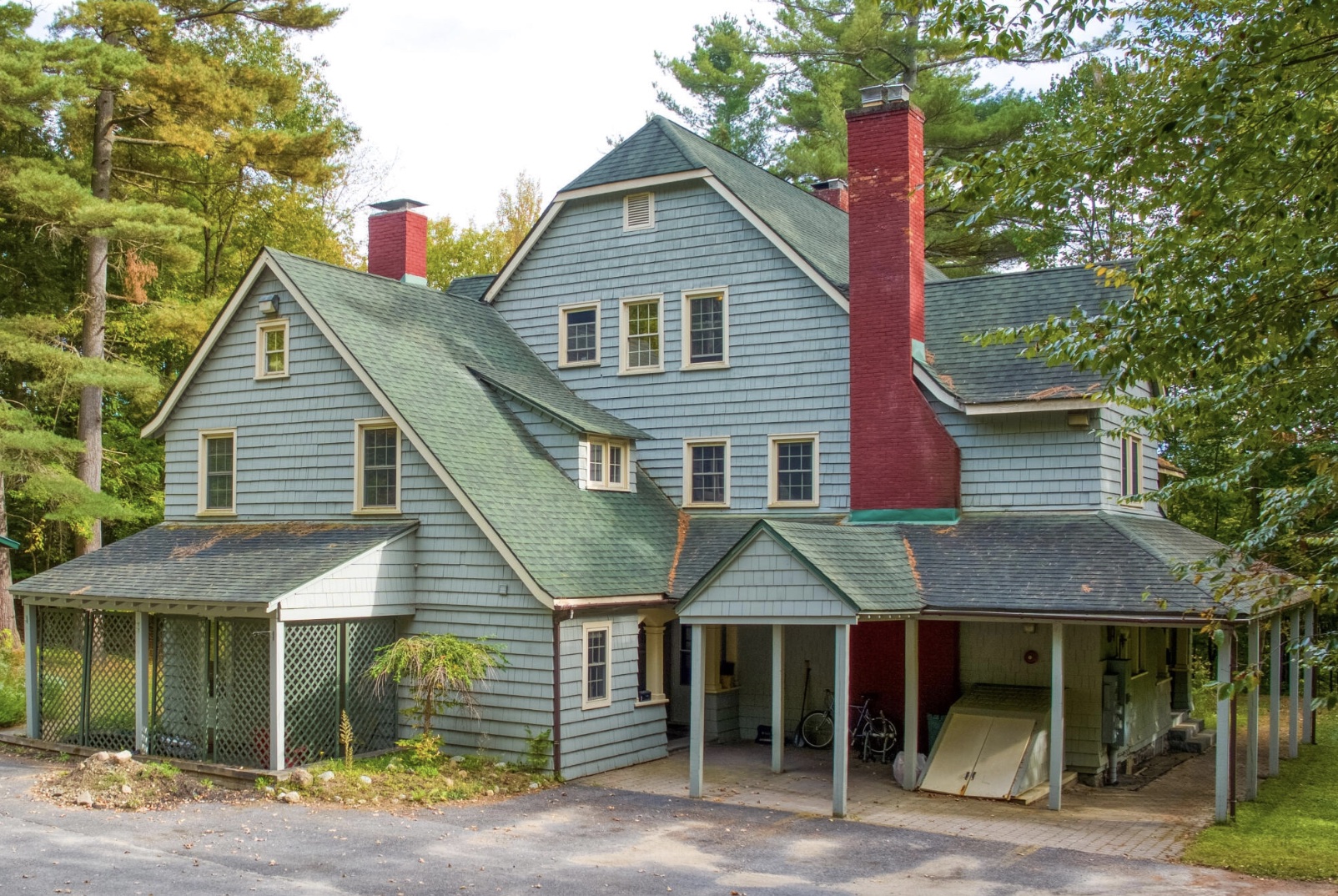
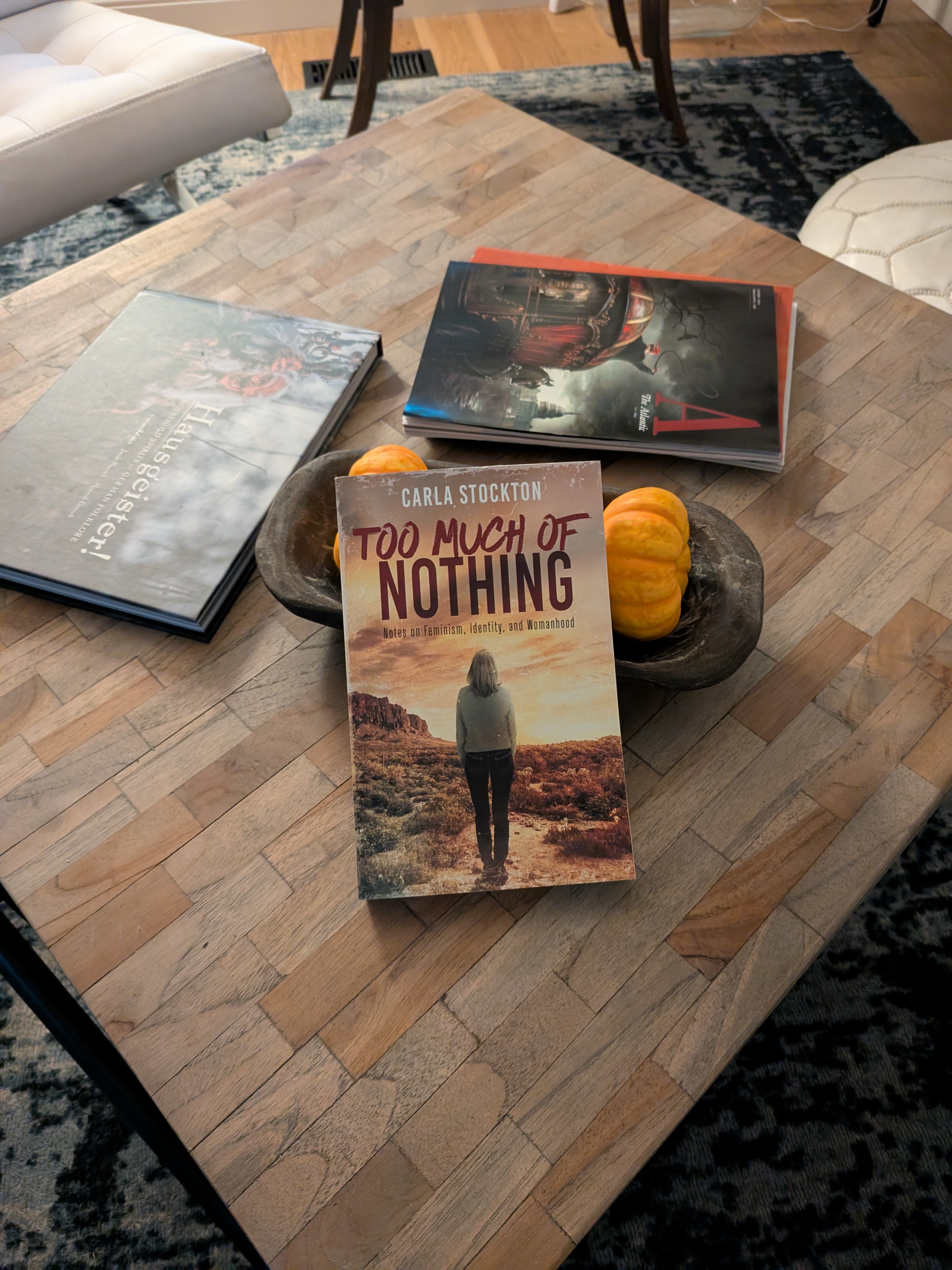
Memoir Moment — Holiday Sister Blues

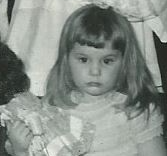
]New Year’s Day 1951.  I am 3.  Daddy wakes me early.  He has dismantled the Christmas tree and tells me we are taking it to the country. . . We’ll leave it with food for the deer in the forest.

“Why can’t we keep it here Daddy?”

“Mommy wants to clean the house. You’ll be big sister soon.

Big sister.  Confusing. Dorothy is my big sister. She is 18, a grown-up,. She takes care of me when she comes home from college.  I’ll be big?
Later that day, Daddy comes into the apartment carrying a big basket with a hood over one end.

“What’s that?” I ask.

“It’s a bassinet. A bed. For the new baby.”

                                                                        ———————————

I did not understand. What was a “new baby?”

We had no television, and except for my cousin Johnny, who was nearly the same age as I, I had little contact with children.  We lived in a basement apartment in a bustling Flushing, Queens, neighborhood, and I am sure there were children all around, but our social life revolved around my mother’s parents and sisters, who, still reeling from their narrow escape from the terrors of Europe, had not begun to venture into the community. 

I had dolls.  Silent, inert, boring.  One drank from a small plastic bottle and expelled water from a hole between its legs.  Most uninteresting.  If that’s what a baby was, I wanted no part of it.

“Don’t worry,” Dorothy said.  “When they bring him home, you’ll love him.”

Perhaps.

 Early in the morning on January 9, Daddy woke me. “You have a baby brother, Carla,” he whispered. “His name is David.”

Baby brother.  David. 

They brought him home on January 13.

We were sitting in the little living room at the bottom of the entryway when the doorbell rang. Dorothy ran up the stairs to open the door; as the cold wind swept into the room, I saw my grandmother’s imposing silhouette blocking the sunlight, and I heard her muttering something to whatever she held in her arms.  Behind her, Daddy cautioned, “Watch your step, Mutti. It could be slippery, and. . . “

As she descended into the apartment,  I saw that she held a strange, bundle of squirming blankets, and she was scowling.

“This baby will wiggle out of my arms if I don’t put him down. Sit on the couch, Carla.”

I froze.  Why did they want me to sit?  Daddy had gone back to the car to get Mommy, and I wanted to see her not sit.

“I said, sit, young woman.”  When grandma became authoritative, she was imperious.

I sat.

“Straighten up,” she commanded. 

I did.

“Hold out your arms.”

I obeyed.

Then she placed her bundle into my lap. 

“This,” Grandma announced, “Is David. David Walter.”

“Oh,” I mumbled, genuinely disappointed. He was a round, red, wrinkly thing.  His skin was blotchy, and his eyes, buried in the deep folds of his face, squinted as he began to wail.

“Please take him back,” I begged.”  He’s ugly.”

I let him slide off my lap, and Grandma gave me the evil eye as she caught him. 

“He is yours, and you will take care of him.  From today on, for the rest of your life, this is your little brother.”

She put him back in my lap. Dorothy sat next to me and wrapped her arm around my shoulder. “You’ll see, sweetie,” she whispered. “You’ll grow to love him. The way I learned to love you.”

That soothed me.  I trusted Dorothy.  I felt her love, pure devotion, and I believed her unconditionally.  I understood the concept of being her little sister.

From then on every January was about David. He was often ill, nearly died of bronchitis and developed asthma before his 2nd birthday, but he was never sickly.  He was adventurous, excited by every new experience we could share, and even before he could talk, he seemed fearless and was confident that his big sister would be at his side.

David changed my identity, and though he was not the last to call me Big Sister, he was uniquely fused to me as I was to him.
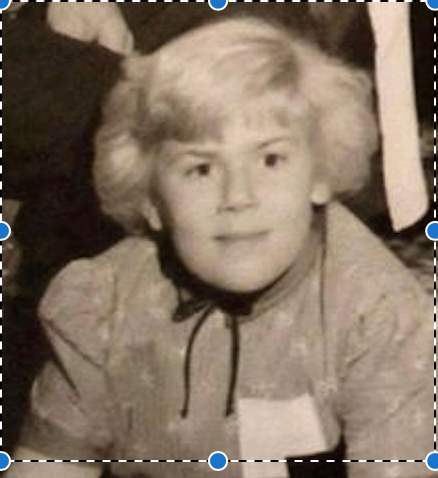
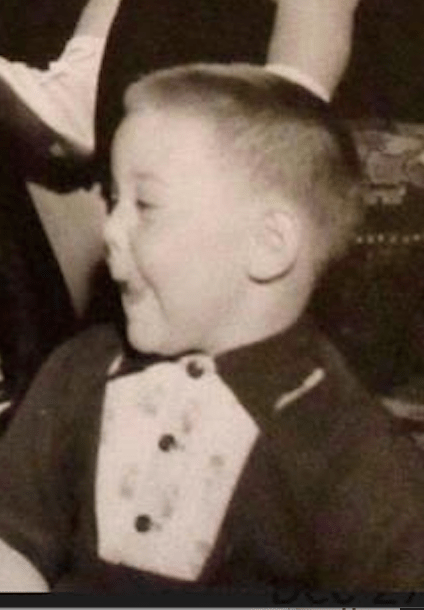
When our sister Helen was born 3 years after David, he and I became the big sibling duo, cleaving tenaciously to a private language, to private rituals of play, to shared secrets that excluded Helen and each of the 5 babies who followed her into our lives.  Our parents changed; the soft sweetness of their marriage became increasingly hostile, and their way of dealing with issues became more unrecognizable with each passing year.  Helen was young enough to take them as they were, but David and I understood that the parents we knew resided in a pocket of memory to which only we two were privy.

Dorothy and I saw each other infrequently as I grew up – she married a Los Alamos scientist and built her life with him and their six beautiful children in the New Mexico mountains; my parents settled us in the northeast. When we visited on another, Dorothy and I had little to be nostalgic about. She told me stories of her life before I was born, stories of what little she remembered about her own mother, stories that included grandparents, aunts, and cousins whose lives ended long before mine began. She knew little of my childhood, as she was in college, then in motherhood before I started school. She existed in a universe I could never see except through her singularly focused lens, and she had less and less time to know mine.  We cherished one another, but we had little commonality.  

David’s and my pasts intersected and connected; we existed in the same time and space.

Over the years of marriages, divorces, and remarriages, births of children, parenthood, and grandchildren, we weathered the storms and celebrated the joys in tandem.  We would butt heads, and we might lose touch from time to time. But we always reinvigorated the bond, reinstated the closeness that was buoyed by our collective memories. If we felt wronged, we always forgave, always valued the revival of the relationship.

The other kids, whose births came in quick succession after Helen’s, established their own private bonds, which omitted us just as we had omitted them. I am now aware that there were things I didn’t know about that perhaps I should have seen, but I left home before David got to high school, and I was caught up in the maze of my own delayed adolescent awakenings. More than anything, we were terribly inept, quasi-parental units, not siblings to them. I was Big Sister to David alone.

Big Sister.  Little Brother. 

Grandma promised for the rest of my life. She could not have known.

In 1964, when David was 13, he was diagnosed with diabetes, which re-routed his trajectory.  The illness cheated David in all manner of ways, and likewise, he cheated death with multiple tricks for as long as he could. After endless surgeries – two kidney transplants, two amputations, quintuple bypass – and seemingly infinite catastrophic illnesses like pneumonia and sepsis, David died in 2023, at age 72. 

Now, nearly three years later, I am still grappling with my identity.

So long as David existed, I was a Big Sister. That role helped define my sense of self as a parent, as a teacher, as a human being. I was flawed, but I was tethered. 

All but one of our younger siblings have rejected me.  I am a mother and a grandmother, who has succeeded in many ways and failed in more. I am who I am. But I am no longer a big sister.

 Only David would understand what I mean.
Fanfare for a Most UNcommon Woman

The world has lost a source of light this week. My friend Eleanor Sweeney has left the planet, and with her goes the last non-family link to my mother, a link that gave me permission to see my other as the whole woman she was.

Eleanor and my mother Charlotte became friends the year my baby brother John began Kindergarten, the end of 1966.  In those days, it was a rare Kindergartner’s mother who was nearing 50, which my mother was, and she felt out of place. 

“I feel like I did when I was working as an RA at UVM,” she told me that October.  “I’m the experienced older woman, and they all look to me for wisdom, and I can’t admit that  I’m still just flailing like everyone else.”

Eleanor made her feel normal. Their fourteen-year age difference was never uncomfortable for either of them.

They met through their sons. Within weeks of beginning school, John and Eleanor’s oldest boy were best friends, and they began visiting one another’s homes. Mom and Eleanor began to talk. It was easy to talk with Eleanor. She listened intently and answered astutely.  They began to share details of their lives as mothers of multiple, active children. Eleanor had three small boys; Mom had three girls and three boys, ranging in age from 6-14, still at home.  I had left for college in September.

Before Eleanor entered the picture, I remember mom going to College Club and PTA meetings, but she did not socialize with her cohorts or get close to anyone in particular.  With Eleanor, friendship quickly blossomed into a personal attachment. They talked on the phone, commiserated about kids and husbands, shared driving responsibilities, and nurtured a kind of surrogate sisterhood. 

Eleanor was the perfect confidante for my mom, whose European upbringing and old-world sensibilities were often misunderstood.  She had been an expert cellist and loved music, was a reader of all manner of literature, and grew up in a house where art was the center of everything.  Eleanor was a reader, loved books, music, and culture in general; moreover, Eleanor was an artist, a free-thinking photographer, with a keen eye for what made the natural world seem otherworldly.  They were both linguists who could converse about art or literature or current events in English or Russian; each was the center of life in her home and could equally prepare meals, do the laundry, analyze great ideas, and, when necessary, fix minor plumbing issues.  They were heroic women.

By the time I got to know Eleanor, I was the mother of grown children, and she was divorced and a grandmother.  My mother had told me I should get to know her friend, but I had had little opportunity. I liked her on the few occasions I met her, but we were not friends until the 1990s.  My mother died in 1999, and friendship with Eleanor became a kind of imperative for me, a force for which I shall be forever grateful.

Soon after mom’s death, another friend from our hometown sighed, “I wish your mother had been mine. She was perfect.”  I could not respond.  My mother was certainly anything but perfect for me, and it took time for me to learn how to love her appropriately.  Before I could articulate any of that, Eleanor spoke up.  “Charlotte made me appreciate my mother precisely because she showed me how to love an IMperfect mother.” 

What an epiphany, I thought. That is just what Eleanor is doing for me!

Over the next 25 years, we saw each other through a number of life changes. I divorced, her grandchildren grew up, and mine were born; she suffered great losses, and then so did I, though never quite as great.  We didn’t talk all the time, but when we did, we connected deeply and spiritually.

 Eleanor and my mother taught me what an extraordinary gift an intergenerational friendship can be, and I have learned to nurture the same with younger women as I age.  I cherish the time I got to spend with Eleanor. I will miss her, but her presence is unextinguishable in my sense of self, my appreciation for life.  Perhaps someday a younger friend of mine will feel the same about me.  

I doubt Eleanor knew what a giant print she left on my heart. She was far too humble to have sought it out.

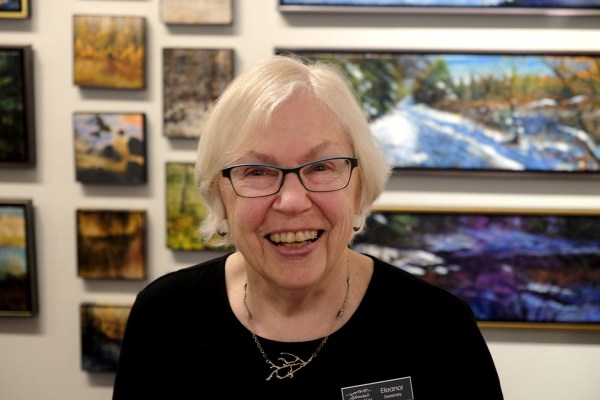
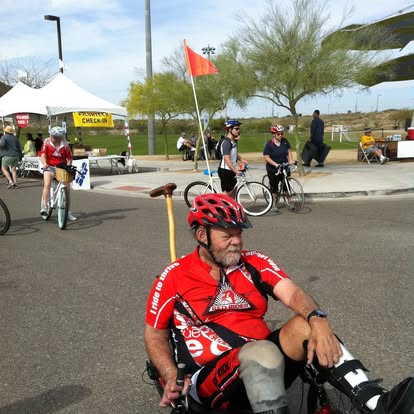
Eleanor was one of the founders of the Adirondack Artists Guild; she is pictured here in the Guild’s Gallery in downtown Saranac Lake, NY. The Guild will host a celebration of Eleanor’s life and work in January

Hometown Revelation

Photo by Richard Amell, SLHS Class of '65

Sixty Years On. . .

Returning to Saranac Lake, the town where I spent my latter childhood years, used to be all about my mother and my brother David. Both were much loved for good reasons; each had a particularly large presence among the locals and made a difference to many.  In the old days, I felt suffocated and extincted by the size of the welcome I always got for them.  Mom’s friends and David’s admirers were legion, and I could not walk down the street without being greeted with, “Hey, I knew your brother,” or “Carla, you’re Charlotte’s daughter.  She was an amazing woman.”

Heck, I didn’t even have to be in our hometown.  Once, my then 20-something-year-old son and I drove through a blinding blizzard to spend a weekend in Lake Placid, the tourist mecca nine miles and a huge cultural ethos away from Saranac Lake.  We checked into the Hilton Hotel and went to the bar to unwind before sleeping.  Within minutes of being seated, three people at the bar realized I was a Swett and sat themselves next to me to  regale me with stories of David when he was the bouncer at a bar over on the lake.  Soon, another three people came over to tell me what a great teacher mom was the year she taught bio at LPHS.

It was something of a relief to be anonymous, to duck into their legacy.  I was content to linger in the long shadows Mom and David had cast years before. 

Over the years, I remained in touch with only one person, the grown-up boy I counted as my best friend from 6th grade on, the boy with whom few in our class knew I had a relationship.  He had gone to college, been engaged, been sent to Viet Nam, and moved down south, but we stayed connected though I had not seen him since he visited me in New York on his way to Viet Nam in 1969.  I would have seen him if he had been in town when I was there, but he was not. 

 I loved taking my family to visit Saranac Lake, and we went as often as we could.  We camped at White Pine Camp before it was renovated.  We hiked up to Copperas Pond.  We canoed or boated out onto the lakes. But since my one true pal was not there, I felt no compulsion to call anyone else.  I didn’t expect that anyone would remember or care.  David and Mom were the ones that counted.  I did not.

Everything changed for me when  the 35th Reunion of the Class of 1965 rolled around.

In 2000, on the verge of leaving my husband and having buried my mother just a few months before, I got the notice that a reunion was in the works.  I wasn’t sure how I felt about facing my classmates, but I was sure I needed to find a way to feel grounded.  I had just begun to flex my creativity and was experimenting with a new career; the idea of being among the people who knew me before I left my chrysalis was comfortingly attractive.

The opening event was a meet-‘n’-greet at the Belvedere Restaurant, a hometown tavern, where many of my classmates had learned to drink as teenagers but to which I had never been.  I parked my car outside the restaurant, and before I got halfway out of my car, a familiar form appeared at the top of the stairs.

“SWETT!!!” He exclaimed, addressing me, as people had when we were young, by my embarrassing last name.  “You’re here!!!”

The surprise greeter was John, the boy who sat behind me in 5th grade. The one who dunked my braids in an inkwell then cut off the ends, who was grateful I didn’t complain to the teacher but simply laughed.  He was the boy who told me to shut up when I argued with a teacher about the legitimacy of a request we were expected to honor. He was never someone I thought of as having any real interest in me, but he had always been there.  And now there he was smothering me in hugs.  He led me in. 

Inside, I was greeted by people, many of whose faces I barely recognized. My oldest, best friend was there, and I buried myself in his affection but felt no reason to hide for long.  There were so many cherished memories assembled.  Gail, who lived down the hill from me when we first arrived in town that winter of 1957.  Her dog Mike nearly scared me to death. Later, when we both moved across town, Gail was once again down the hill from me, always my neighbor and a kindred spirit. Marsha, whose 4th grade birthday party invitation eased my transition from Massachusetts outsider to Saranac Lake resident.  Nancy, my high school bestie, and Maryanne, with who made me laugh as we walked together down the hill from school in the springtime. I rediscovered Karen, whose baby brother was born within weeks of mine. And shy Art, who had seemed so disinterested in anything academic but had evolved into a High School History teacher.  Then there was Penny, whose friendship was a constant aspiration though she seemed to disdain me, enveloping me in a hug. 

Within minutes of arriving, my classmates reminded me that though high school was not my finest hour, it was a time that deserved to be remembered.  The campaign for senior council president, the regional chorus festivals, jazz band, speech contest, the town centennial pageant. . . . 

People still effused about David or Mom. But I realized I, too,  belonged.  My fellow townspeople were, along with David and Mom and all the Swetts, the main characters in the play that was my life in this town.  I felt embraced and accepted, and I understood for the first time that the play wasn’t over yet!

I struck up correspondences, albeit spare, and looked forward with great anticipation to whatever came next.

At the fiftieth reunion, naturally, some of the best people were not there.  Old age, illness, family events, death.  Nancy was no longer with us, and John was clearly ill.  But we had a blast.  Gail and I hosted the culminating ceremony together, and we formalized our belief that we were sisters of the most bonded sort, members of a family of disparate siblings, who’d grown up in a community founded on the idea that a town exists to care for one another. 

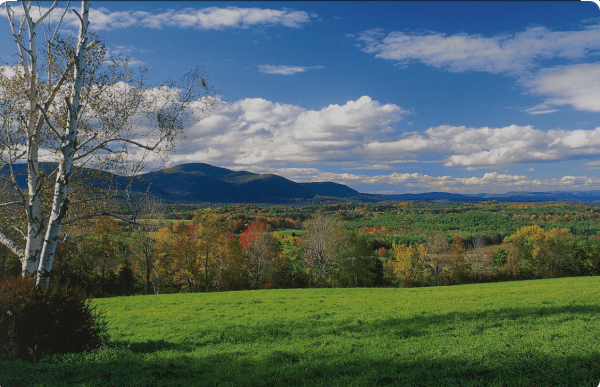
The people who fostered the growth of Saranac Lake in the late 19th C arrived there in order to give or find relief from TB; the tradition defined the town and trickled into everyone’s consciousness.  Saranac Lake became a refuge for veterans of WWII and Korea, boys who needed a quiet, caring place to raise their families and set the world aright.  Refugees from places like the Swiss Alps who needed to be in the familiar protection of the granite mountain walls that surrounded us.  We were raised by survivors who nurtured one another’s survival, and we members of the Class of ‘65 bonded to one another as our parents did to our town. 

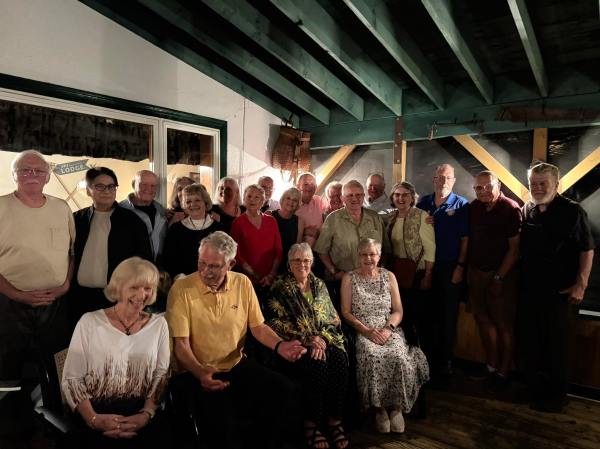
Returning last month for our 60th Reunion, I had feared that David’s recent death would make it painful to hear his virtues extolled.  I was wrong. This great extended family we’d both been part of shared memories that made mine more vibrant.  I missed him more and at the same time a bit less because he was there with us in more hearts than just my own.

There were far fewer of us this year to revel in the joy of sharing one more party.   So we made a solemn promise to one another: we won’t let ten years pass before we do it again.  Ours is a special joy we must nurture fervently.

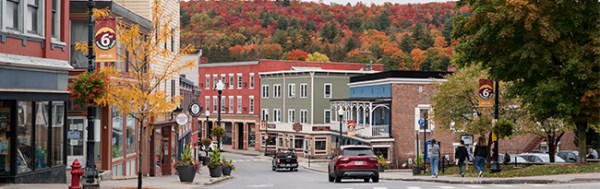
Saranac Lake, NY, began as an outpost for hunters but gained fame and population as a medical center for Tuberculosis sufferers.

More Nostalgia — Sister Sister

Election Anxiety has me in its grip.  I know I am not alone.  When I lie awake at night fretting my what-ifs, I feel myself embraced by half my countryfolk, who are most likely feeling exactly as I am.  Terrified.  But next week, come what may, I’ll have a bit of comfort.  My little sister Helen is traveling to see me.

Deep in the dog days of August 1953, my father drove my brother David and me to Bayside, Queens, to our grandparents’ home.  For me, it was a familiar second home – my cousin Johnny and I had lived with our grandparents off and on before either of us had siblings.  For David, however, it was unsettling.  “I wanna go home,” he cried.  “Duke (our spike-toothed boxer) needs me.”  He was right about that. 

We stayed in Queens for a few days. Mom gave birth and, as was the custom in those days, she “luxuriated” in the hospital long enough to convalesce.  Later, she regaled us with stories about Dad making her walk into the first stages of labor at the Forrest Park Zoo, and how no zoo would ever be tolerable again.  She said it was a good thing that Dad had burned the coffee and ruined breakfast that morning, as there was less for her to heave. But I was oblivious. I had my cousin Johnny, my near-twin, and after Dad called to say we had a new baby sister, I was without anxiety.  A sister was a good thing.  And there was no reason to rush back to Deerfield. She had not yet arrived there.

When we did get home, David was crushed.  Duke had run away. He was in residence now at the Deerfield Boys’ Academy, where he had been gratefully adopted. I didn’t care. I had no interest in Duke.  I had new responsibilities.

We lived that year in a 17th C farmhouse in the remote Berkshire foothills of western Massachusetts.  Mama was responsible for the henhouse, where foxes routinely wreaked havoc that she had to clean, and where hens laid messy eggs she had to gather. We had no running water, so water had to be pumped and stored, and all water for cleaning and bathing had to be heated on the stove. Chores were endless, and now that we had this new baby, I was expected to help more than ever. At night, when Mama was exhausted by the chores and the work of chasing David and tending her infant, I got to stay up past my bedtime to hold Helen, feed her her bedtime bottle, and rock her to sleep while Mama dozed on the couch beside us. 

I bonded with my little sister.  And she understood from the very beginning that we belonged to each other.  Over the years, we played, we fought, we talked, we yelled; she told my children I taught her guitar, but she was the gifted one.  I sort of introduced her to sex and drugs; she gave me rock’n’roll by way of her beloved Beatles and Monkees, whose music was foreign to me.  I grew because of my sister, and she found new possibilities because of me.

It’s been eight years since I last saw her.  Time, distance, families, and careers have kept us apart.  In the intervening years, much has happened to sever ties among the remaining siblings, but we have sharpened our connection.  I cannot wait to see her.

Adirondack Dreamin’

Aaron Marbone, a reporter for the Adirondack Daily Enterprise just interviewed me for a story that will run in tomorrow’s paper. A lovely young man, Aaron asked me what it was like living in Saranac Lake all those years ago.

Well, I told him, that trope about walking a mile to school uphill both ways was the truth for us then. I lived on Cliff Road in a house that is today a multi-unit condominium complex at the base of Mount Pisgah.

We walked down from the top of Cliff, by way of Catherine to Bloomingdale and then to Main, up Olive Street Hill and across the overpass to Petrova, which was our school through high school. Then, for much of the school year, we walked home in the dark, down Olive Street, back to Bloomingdale, Margaret to Catherine and back up the big hill home. In the winter we wore layers of clothes that weighted us down and in spring forded through rivers of snow-melted mud cascading down every hill and forming small lakes in every little valley. Glorious.

I never thought of the people of my town as family, but they were certainly part of a clan, a clan that protected me, tolerated my strangenesses, celebrated my talents. I won speech contests, appeared in class plays, played in the band, and sang in the glee club; I wrote a pageant for a Saranac Lake centennial celebration, commissioned by a group of adults who appreciated my writing. After a cataclysmic accident, as my mother lay pinned under her car, freezing in the wind at Donnelly Corner, passers-by stopped to shield her, to provide blankets and coats from their own backs, while the volunteer fire department worked tirelessly for hours to extricate her. Then, for two years, there was seldom a day when food was not delivered to our home.

My classmates never bullied me or made fun of me though I was the kind of kid who anywhere else would have suffered terribly. I was lonely but respected, and whenever I return for reunions, I am reminded of the enormous generosity of spirit they had then and still have today. My most vociferous cheerleaders, my strongest encouragers have been my classmates, people like Gail Gallagher, Peter MacIntyre, Maryanne Aubin, whom I have known since 4th grade when we moved to that little enclave in the Adirondacks.

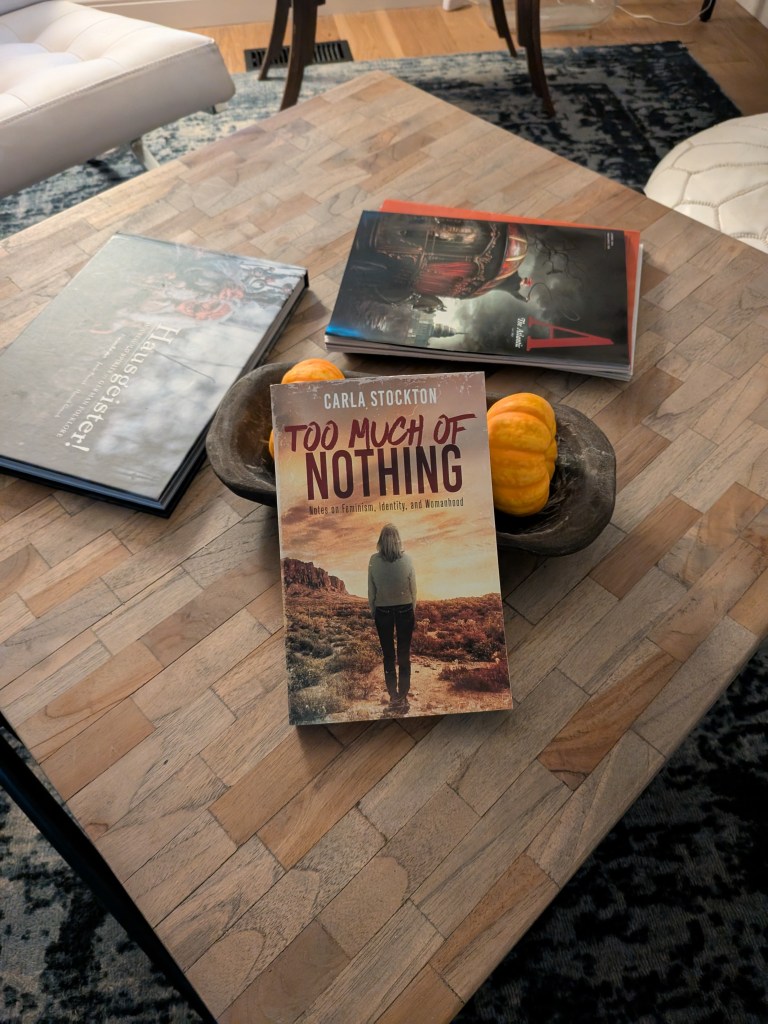
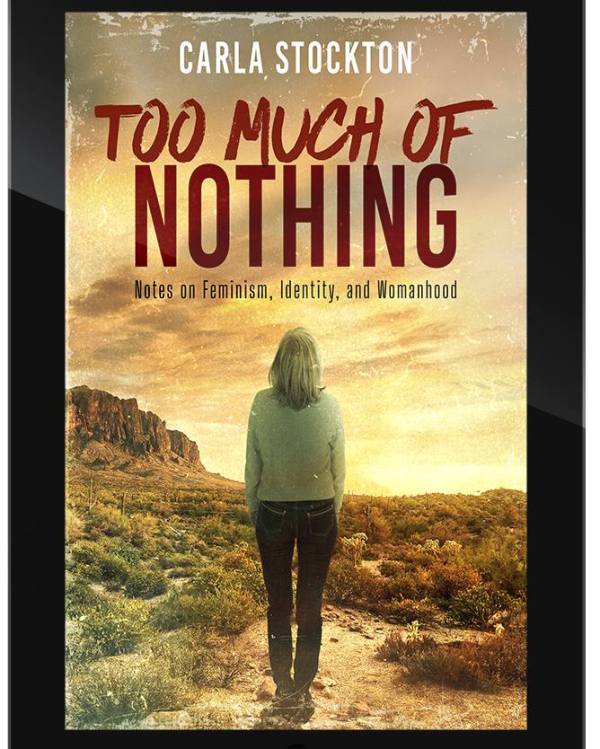
So of course I will go “home” to have the first celebration of having written my first solo book. At NOON, on November 9, the Saranac Lake Public Library, where one can still find a copy of that pageant I wrote in 1965, will host my book launch. On the 13th I’ll be on a panel at the Adirondack Writing Center with a new friend Laurie Spigel to talk about writing and aging and making it through. . . . and getting by with a little help from our friends. Best of all, The Book Nook, in Saranac Lake is taking orders. I hope people support the independent bookseller and order there: https://www.saranaclake.com/shop/the-book-nook